A quality kitchen knife or cleaver is an essential tool for any well-equipped kitchen. The right choice affects not only work efficiency but also safety and comfort when cutting. In the following lines, we will explain what to focus on when choosing, which materials are most suitable, and how to properly care for your knives so they serve you for many years.
How to Choose the Right Kitchen Knife and Cleaver
When choosing a knife, it is important to consider its purpose and frequency of use. A universal kitchen knife with a blade length of 15–20 cm is ideal for cutting fruit, vegetables, and meat. A cleaver with a thicker and wider blade is intended for chopping bones, hard vegetables, or herbs – its weight and shape allow you to transfer force from your hand directly into the cut. The shape of the handle is also important – an ergonomically shaped handle reduces hand fatigue and increases safety. For better control, we recommend knives with a full tang (the blade extends through the entire handle), which ensures stability and balance. For example, when preparing meat for goulash, you will appreciate a cleaver weighing around 300 grams, which can handle even thicker bones.
Blade Material and Its Impact on Performance
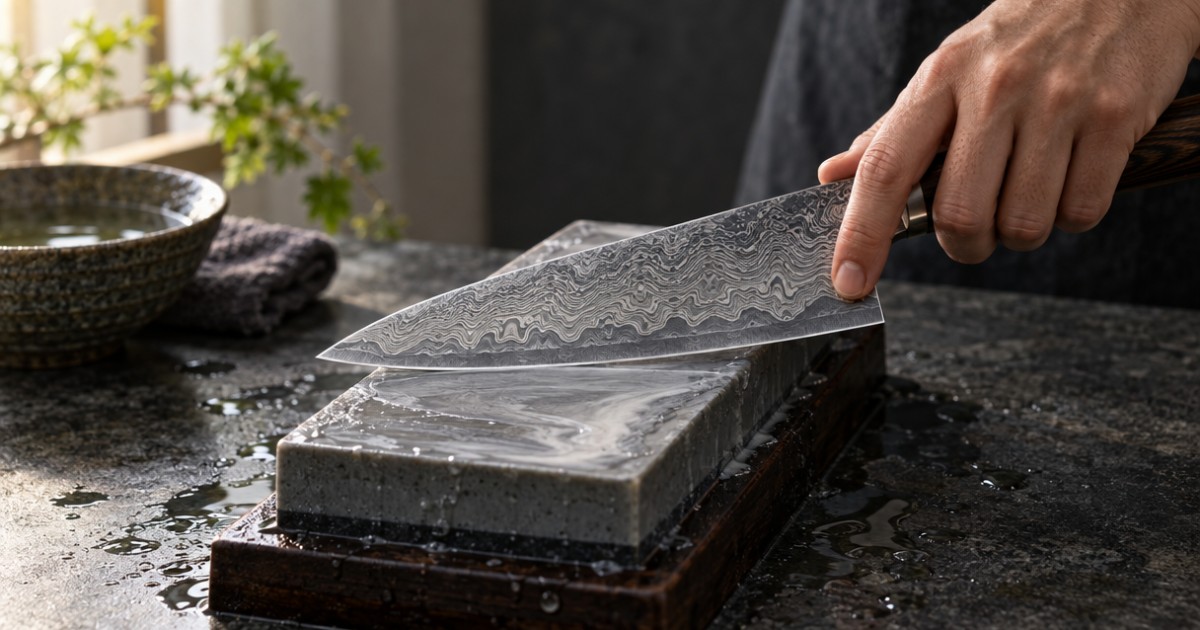
Steel is the most common material for blades. Stainless steel is resistant to corrosion and easy to maintain – ideal for everyday home cooking. Damascus steel offers excellent sharpness and an aesthetic appearance, but requires more careful handling. Carbon steel is extremely sharp, but can corrode if not properly maintained – experienced chefs use it for precise cutting of ingredients where maximum sharpness is needed. Ceramic knives are lightweight and retain their sharpness for a long time, but are more brittle – they are suitable for cutting fruit and vegetables without seeds. For cleavers, blade thickness is important – at least 3 mm for long-term durability; thinner blades can deform upon impact with bone.
Maintenance and Care of Kitchen Knives
Proper care extends the life of knives and maintains their sharpness. Always wash knives by hand with a mild detergent and dry them immediately – dishwashers can damage the blade and handle, especially wooden handles which may crack. For sharpening, use a whetstone or honing steel; the frequency of sharpening depends on the intensity of use – for daily cooking, we recommend sharpening knives every 2–3 months. Damascus knives require gentler handling to avoid damaging their decorative pattern – use a fine-grit stone for sharpening. For cleavers, it is important to regularly check the blade for micro-cracks that could lead to breakage during chopping.
Storing Knives
Store knives in a knife block, on a magnetic strip, or in protective sheaths. Loose storage in a drawer can lead to dulling of the blades and risk of injury – when taking a knife out of a drawer, it can easily slip. For cleavers, we recommend a separate sheath that protects both the blade and the user. If you store knives on a magnetic strip, make sure the blades do not touch each other – this prevents micro-scratches. For households with children, a knife block with a safety lock is suitable, which prevents accidental removal of the knife.
Choosing the right kitchen knife or cleaver is an investment in your kitchen equipment. A quality knife will provide you with precision, safety, and joy in cooking for many years. Discover our selection and choose the piece that will perfectly suit your needs.